

(Writing Talk is a type of short-form article centered around conversations about various aspects of writing/authorship. These aren’t usually long reads, but I think it’s fun to jot down some of my thoughts about the writing process as someone who loves the art of it all.)
Time for another Writing Talk article friends, and this time we’ll be looking at the similarities and differences in Foreshadowing and Red Herrings. Let’s look into some quick definitions first!
Foreshadowing is the art of subtly laying hints and clues about what will eventually become a twist or reveal later on down the line in your story. Without foreshadowing, readers don’t have any emotional connection with which to be surprised by a twist, or any reason to feel anything other than apathy. And without foreshadowing, your plot’s reveals won’t really work out because your audience will just sort of shrug their shoulders and not be invested.
Red Herrings are laid out similarly to the techniques used for foreshadowing, but the key difference is that the end goal is the exact opposite. Foreshadowing is for genuine twists and reveals, while Red Herrings describe fake twists and reveals. The way-too-suspicious character who looks like they might be the murderer but aren’t, or the totally-real magical item except whoops the true magical item is the other thing we’ve been carrying!
Both Foreshadowing and Red Herrings are critical in basically any plot that involves any sort of twist or reveal. And, to be fair, not every story does have a big twist or reveal of that nature. Sometimes a story about surviving in the woods is just a story about surviving in the woods, and sometimes a tale about slaying a dragon is just a tale about slaying a dragon. But when you are going to implement twists and reveals, it’s basically second-nature to implement Foreshadowing techniques and a Red Herring or two, and if you don’t, your story will pretty unquestionably suffer for it.
But, as with basically any literary device, both of these techniques can be used incorrectly if you aren’t careful. It takes a ludicrous amount of skill to craft an genuinely compelling plot twist or emotional reveal, but it takes almost as much skill to learn how to properly Foreshadow those twists, or psyche your reader out ahead of a big reveal with a Red Herring or two. And ultimately, like anything involving writing, it’s a skill you’ll grow in more and more as you write, and also consume stories in other forms. That being said, it certainly can’t hurt to take a look at a few examples of Foreshadowing and Red Herrings done right!
Let’s start by examining the fifth volume of RWBY, and the mystery of the Spring Maiden.
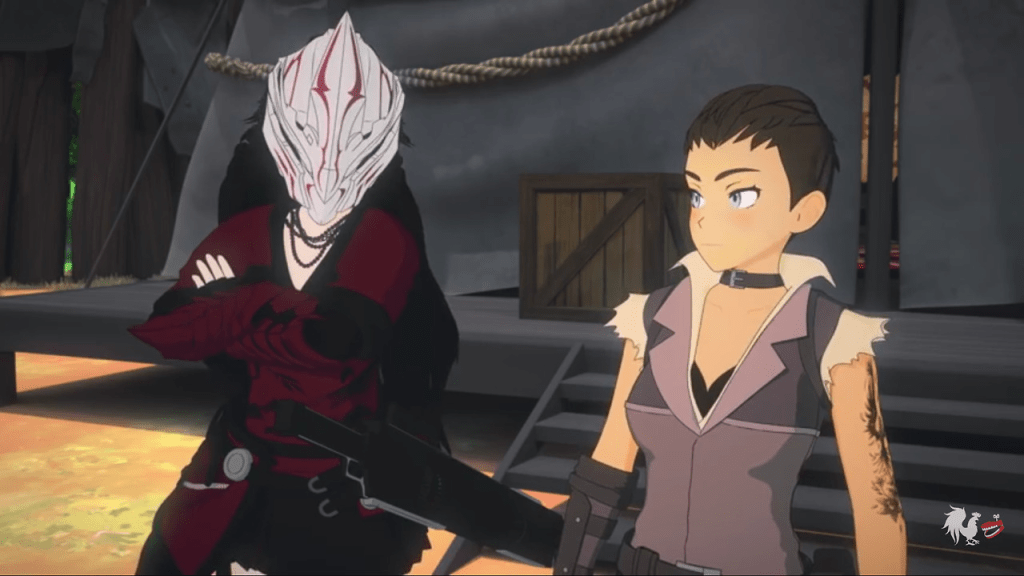
Volume Five begins with our characters attempting to figure out who the Spring Maiden is, so they can get to her and keep her safe from the villains before the villains find her first. And in an early episode, we’re introduced to two characters: Raven and Vernal. Raven is the mother of one of our main heroines, and she leads a tribe of bandits. Vernal is her right-hand-woman, a snarky bruiser who is fiercely loyal to the tribe.
Before long, it’s revealed that Vernal is the Spring Maiden, and suddenly she becomes of keen interest to both our protagonists and antagonists. So much so that, near the climactic finale of the Volume, big baddie Cinder attacks and drains Vernal of power…but there isn’t any to find. Because Vernal wasn’t the Spring Maiden at all, she was just a decoy. Raven was the real Spring Maiden the entire time!
So you can see how Vernal’s entire ‘identity‘ was a big Red Herring, right? But she still feels like a legitimate character even aside from that (honestly, she’s even more fleshed-out and interesting post-reveal). And then the Foreshadowing comes into play in how there were actually tiny little hints leading up to this moment the entire time. Like how whenever Vernal ‘uses her maiden magic‘, Raven is always in the scene too, right beside her. Or how when Vernal calls down a big lightning strike (or, you know, pretends to), you can faintly see Raven flicking her fingers in the background (since, of course, she was the one casting the lightning spell the whole time).
There’s other examples, but my point is that it’s a really good example of a story managing to balance both Foreshadowing and Red Herrings together. The two literary devices come together in aid of the story, and culminate in a really memorable twist.
Now, these aren’t mutually-inclusive elements. You don’t need both for a story to work. A story like Xenoblade Chronicles is filled with some of the most expertly-crafted and Foreshadowed twists in any plot ever, but it’s not the sort of mystery that necessitates Red Herrings. Meanwhile, a simplistic Cozy Mystery might have a bunch of Red Herrings and such, but no real big moments of Foreshadowing since the overall plot it’s telling is much more casual and laidback.
It’s vital to be conscious of whether or not your story even needs to rely on these elements. Don’t waste precious time Foreshadowing a twist in your story that really didn’t need half that effort and build-up. Likewise, don’t start tossing in Red Herrings into your story to obfuscate the truth of a certain reveal when it really would’ve been more impactful to just deliver it straight to your readers! Like any literary technique, there’s a time and a place for utilizing these two ideas!
Also, it’s important to note that it is absolutely possible to use both of these elements incorrectly, and mess your whole story up in the process. Let’s examine that!
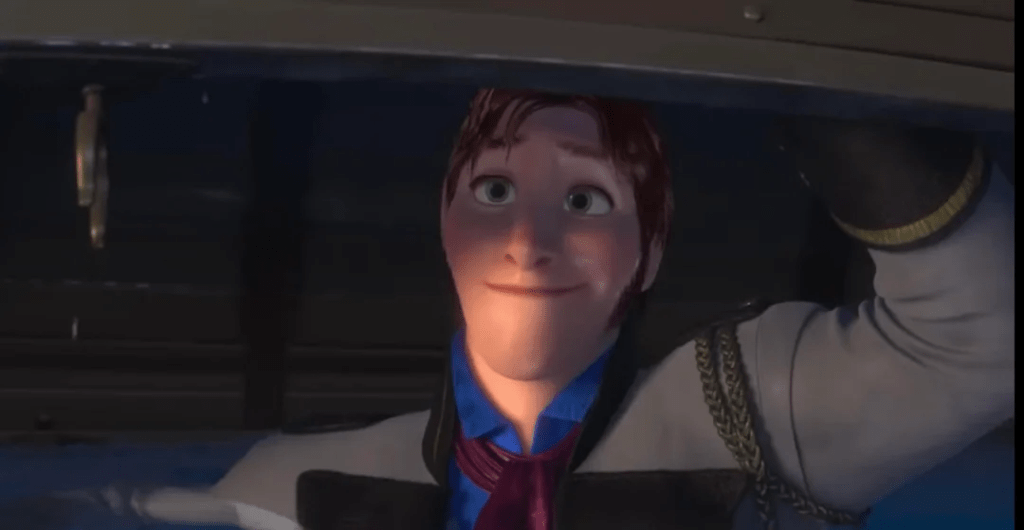
Firstly, you can fumble Foreshadowing by not doing it at all, even when you should have! In Frozen, Prince Hans is revealed as the villain near the film’s end. The trouble is, there’s literally nothing to clue viewers in to this reveal (and as I’ve established in past articles, the best kinds of twists are ones viewers/readers/players could have theoretically guessed but hopefully don’t). In fact, there’s a sort of Negative Foreshadowing, in that the movie blatantly cheats its viewers by showing moments with Hans that are diametrically opposed to how he should be acting/reacting considering he’s the villain. Moments where he smiles like a love-struck puppy even when no one (except us viewers) are around to see him feel super disingenuous.
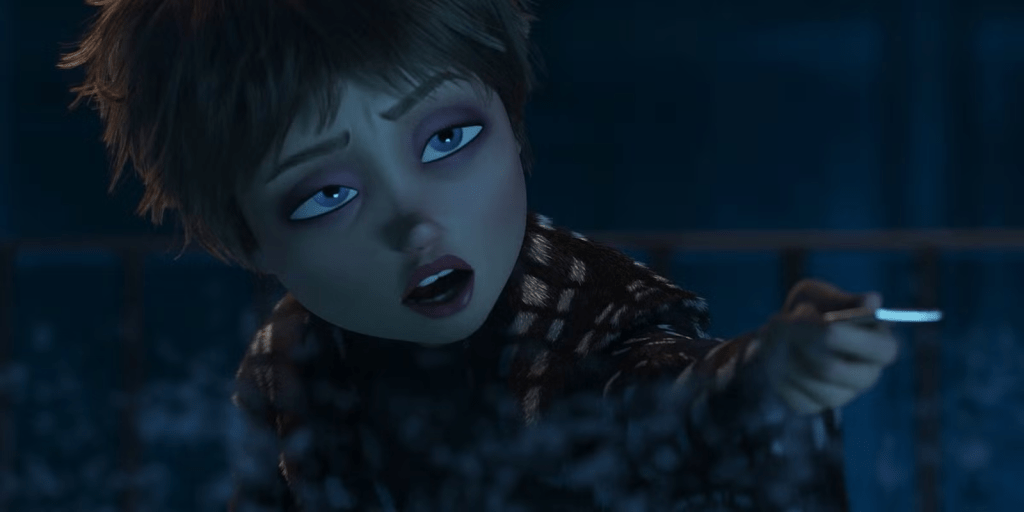
For the inverse, you can lean into Foreshadowing too much, to the point where your twists become so painfully obvious that they lose their luster completely. This happens in Incredibles 2. Consider the lackluster reveal of The Screenslaver as Evelyn Deavor. First off, the woman’s name is literally Evil Endeavor. But even aside from that, we see that she’s skilled at tech, that she resents both her brother and superheroes, and that she’s developing an overly close friendship on Elastigirl (to keep tabs on her, natch). It’s telegraphed from a mile away, and yet the movie still seems to expect you to be blown away by the revelation!
As for Red Herrings, there’s two big issues that you can fall into with them.
One big mistake is just including too many of them! Look, I adore Agents of SHIELD with all of my heart, but near the end of the third season our main heroine gets a vision of someone with a cross necklace and a SHIELD jacket dying in space. So what happens next? The following episodes practically trip over themselves to pass around the SHIELD jacket and cross necklace like those two MacGuffins are hot potatoes, and it’s just absurd to witness. It’s like the showrunners keep jabbing you with their elbow while going “hey, maybe this person is gonna die, huh, or maybe this person, eh“!
In a similar vein, you can also run the risk of creating Red Herrings that aren’t fleshed-out enough to feel like valid parts of the story (this happens most often when the Red Herring is a character, like in a murder-mystery novel). No one likes a half-baked character, and if you as the author create a character solely for the purpose of being a Red Herring without putting much thought into it on top of that, your readers will notice, and your story’s quality will take a hit. I should know, I’ve experienced this first hand with a rather lackluster Red Herring character from the first murder-mystery I ever wrote (my skills have improved since then, thankfully).
Does that all make sense?
Hopefully this all served as a good breakdown of the difference in these two commonly-used literary techniques. If you’re an aspiring writer, I hope I’ve helped to add a few tips on what to do, and what not to do, if using either Foreshadowing or Red Herrings in your stories!
Keep on writing, friends!
 The Contrarian Corner