

(Writing Talk is a type of short-form article centered around conversations about various aspects of writing/authorship. These aren’t usually long reads, but I think it’s fun to jot down some of my thoughts about the writing process as someone who loves the art of it all.)
I suppose the concept of ‘tone‘ has come up enough in my various articles throughout the years that I should probably get around to writing a full article on the subject, right? Sounds good, let’s jump into it!
Put as simply as possible, the idea of ‘tone‘ answers a single question: “How do you want your readers/viewers/players to feel?“
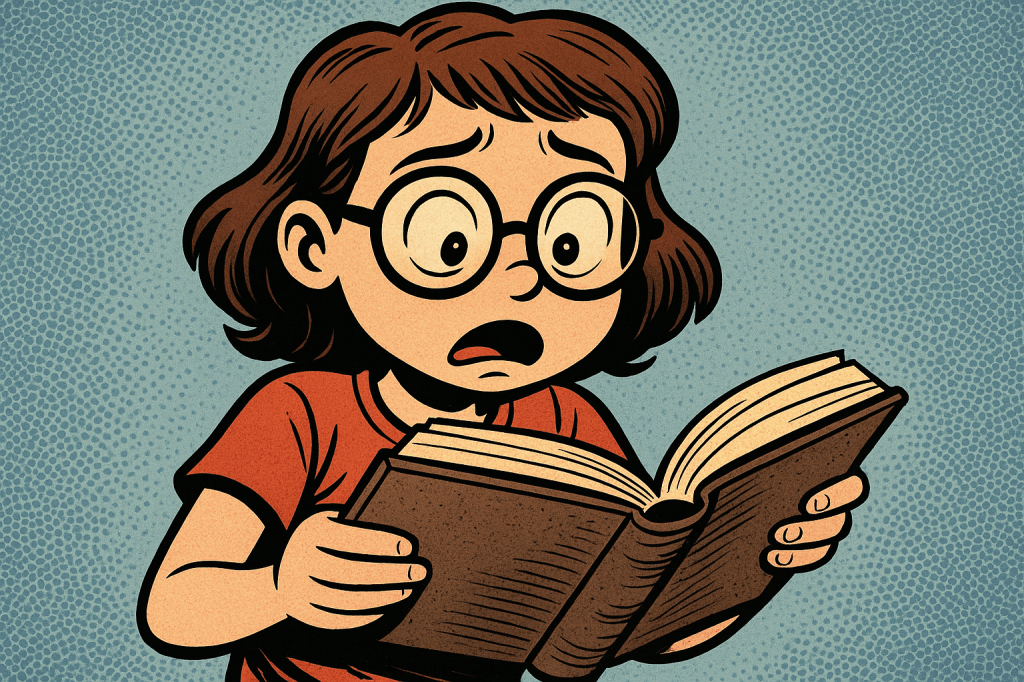
For example, the majority of Comedy stories focus on a light-hearted, silly tone. A lot of Romance stories aim for a heartwarming tone (or heartbreaking sometimes). Many Thrillers care about maintaining a tense, dramatic tone. And then you’ve got Sci-Fi and Fantasy stories, which will almost always place emphasis on an adventurous, journey-esque tone.
But the biggest thing to note here is that point about ‘feelings‘. Tone dictates how an audience will feel, which in turn influences how they will respond to your story. It’s honestly one of the most important and overlooked aspects of storytelling. Nail the tone, and your audiences will feel everything you want them to, even if your actual story might not be so amazing. Think of all the times you’ve gotten teary-eyed as a character in a film cries while sad piano music plays…only for you to later realize ‘I didn’t even like that movie, why did I feel sad there?‘. You felt sad because the tone was spot-on.
But the inverse of this is also true. Fail to properly convey the tone of your story, and your audience runs the risk of either feeling the exact opposite way you intended, or being so confused about how you want them to feel that they just end up frustrated and annoyed.
Imagine a Comedy movie that interjects brutal and violent murder (the kind that isn’t played for laughs, not the Deadpool kind) in between every single joke. Or a Romance movie where sweet and touching moments are cut-off by pratfalls and loud slapstick. Or a Thriller where a tense chase scene is interrupted by a few knock-knock jokes and then a prolonged melodramatic romantic scene straight out of a soap opera. I don’t know about you, but I can just visualize the audience’s stunned, confused, and frustrated faces if something like that were to happen.
Of course, we don’t have to just pretend. Stories that fumble their tone do exist!

Relatively recently, I addressed the failings of tone in the video game Clair Obscur: Expedition 33. That game is trying to tell a really touching and moving story, and while it has quite a few faults in that regard, one of the biggest is its messy tone. In one scene you’ll witness the shocking deaths of your entire team of party members. In the immediate next scene, you’re thrust into a volleyball minigame with strange-talking little doll people. It’s so jarring it’ll give you whiplash.
(Now, just to address a quick point, I do want to mention that it’s perfectly fine if a strange or flawed tone doesn’t bother you. You may even like a story with a tone that is all over the place. That’s fine! That’s how opinions work. But opinions are subjective. Tone is objective, just like a story’s genre is objective. They are based in fact. And it’s a fact that some stories have jarringly inconsistent tone. More power to you if that doesn’t bother you…but oh boy does it bother me.)
I have also talked about the movie Thor Ragnarok on this blog, and I haven’t made it a secret that I have a hard time enjoying that movie. It’s hilarious, for sure, but it achieves much of that hilarity by sacrificing its tone. It’s difficult for me to be invested in a movie and its stakes when we swap back-and-forth between scenes of the villains cracking jokes and the heroes not seeming to care about their own safety, then a dramatic twist in the next scene suddenly wants me to start caring again. The movie itself teaches you that your care won’t be rewarded, and so you end up not being bothered to do anything more than just turn your brain off and laugh at the funny rock-guy.
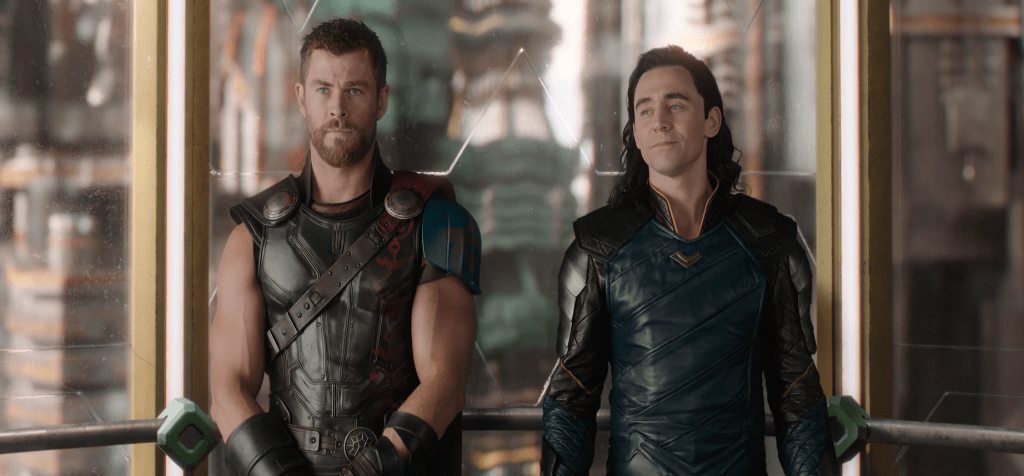
Actually, that tends to be the two most common culprits when it comes to stories with messy tones. Injecting comedy where it isn’t fitting, and not properly considered when to give your audience a breather.
Of course, both of those things are important, and I feel that it’s worthwhile that I address that point here. For as much as I talk about maintaining a consistent tone, that doesn’t mean I’m endorsing a single tone for the entirety of your story. Comedy movies don’t work if there isn’t a semblance of an actual story underneath the constant jokes. A Romance story that is just a bunch of make-out sessions would surely get old if there weren’t stakes. A Thriller that never lets up the gas would risk exhausting the audience. And Sci-Fi or Fantasy without any levity just sounds a little boring, doesn’t it?
So stories should find ways to ease tension with a joke or two, or counterbalance some really intense scenes with a breather afterwards. The key is in not losing sight of the overarching tone while doing so.
Let’s take the original Iron Man, the start of the MCU, for example. Plenty of really hilarious scenes in this film that helped to establish the storytelling pattern of superhero movies for years to come. But also the harrowing scene of the attack on the convoy, the intense stakes of Tony being a prisoner in the cave, and that really dramatic scene where Obadiah steals the reactor from Tony’s chest after paralyzing him. But do you notice the key here? There’s a stark separation between ‘fun scenes‘ and ‘dramatic scenes‘, and since there’s no gratuitous bleed-over, the tone remains stable.
Or, how about Xenoblade Chronicles 3? This is a game rife with heavy thematic material and some of the most depressing stuff in any video game. But it’s also a game with silly fuzzy Nopon, and a Romeo and Juliet inspired quest with dialogue written entirely in iambic pentameter. How does this game balance tone? By using those lighthearted moments as well-deserved rest breaks for our characters, divorced from the severity of the main story. They don’t dilute the darker material of the main quest, and are instead organically offered as optional content for the characters (or, on a meta level, you the player) to engage with as they see fit.
Honestly, I think part of the reason I care about tone so much has to do with how much I used to struggle with it when I first started pursuing my passion for writing.
My first-ever true attempt at a book was a duology (intended to be a trilogy, but I never finished (or really started) the third entry) in the Fantasy genre. It was called The Great Adventure Trilogy (how creative, I know). And while there are still a few aspects of those two books that I look back on fondly, there’s a whole lot that I’m not a fan of. Which is typical for writers looking back on their earlier work, of course. And one of those areas that makes me internally cringe a bit looking back on it is tone…and how bad I was at handling tone.
The first few chapters of nothing but sweet and overly-sappy slice-of-life bits of our main hero living on a farm with his parents. And then, out of nowhere, with little setup or easing the story into things, there’s a huge and shockingly brutal moment that kicks off the adventure. This is followed shortly after by the introduction of a silly comedic relief character. A little later, and a joke-focused scene gets interrupted halfway through with another surprise (and exceedingly violent) character death. It’s a mess.
Thankfully (if I’m allowed to pat myself on the back here), I’ve gotten a lot better at balancing tone in my writing. I, and my friends/family who read my stories, have noticed the improvement in my most recent novels.
Now, as a quick note, obviously there’s such a thing as intentionally jarring tonal dissonance. Think of how ‘A Girl Worth Fighting For‘ in Mulan gets dramatically interrupted by the discovery of the burned village and its deceased denizens. The thing is, that sort of thing takes careful care and crafting to pull off, and even then is a technique that should be used sparingly to be most masterfully effective. In the case of my story, it was just pure lack of writing experience that led to that messiness.
So…what’s the solution to handling tone in a story?
It really comes down to just constantly being mindful of that overarching question of ‘how do I want my audience to feel‘.
If you want them to be sad during a scene, don’t have the immediate preceding scene (or worse, the lead-up of the same scene) to be jovial and laughter-inducing. If you want your audience to grin and smile, don’t have the previous scene be the tear-jerking death of a beloved character. Your characters, your story, your themes/messages, and your audience need room to breathe and adjust to changes in tone if you want your story to both actually be taken seriously, and leave a worthwhile lingering impact.
It’s a learned skill, for sure, but what that comes with dedicated practice! Like all writing skills, I suppose!
Keep on writing, friends!
 The Contrarian Corner