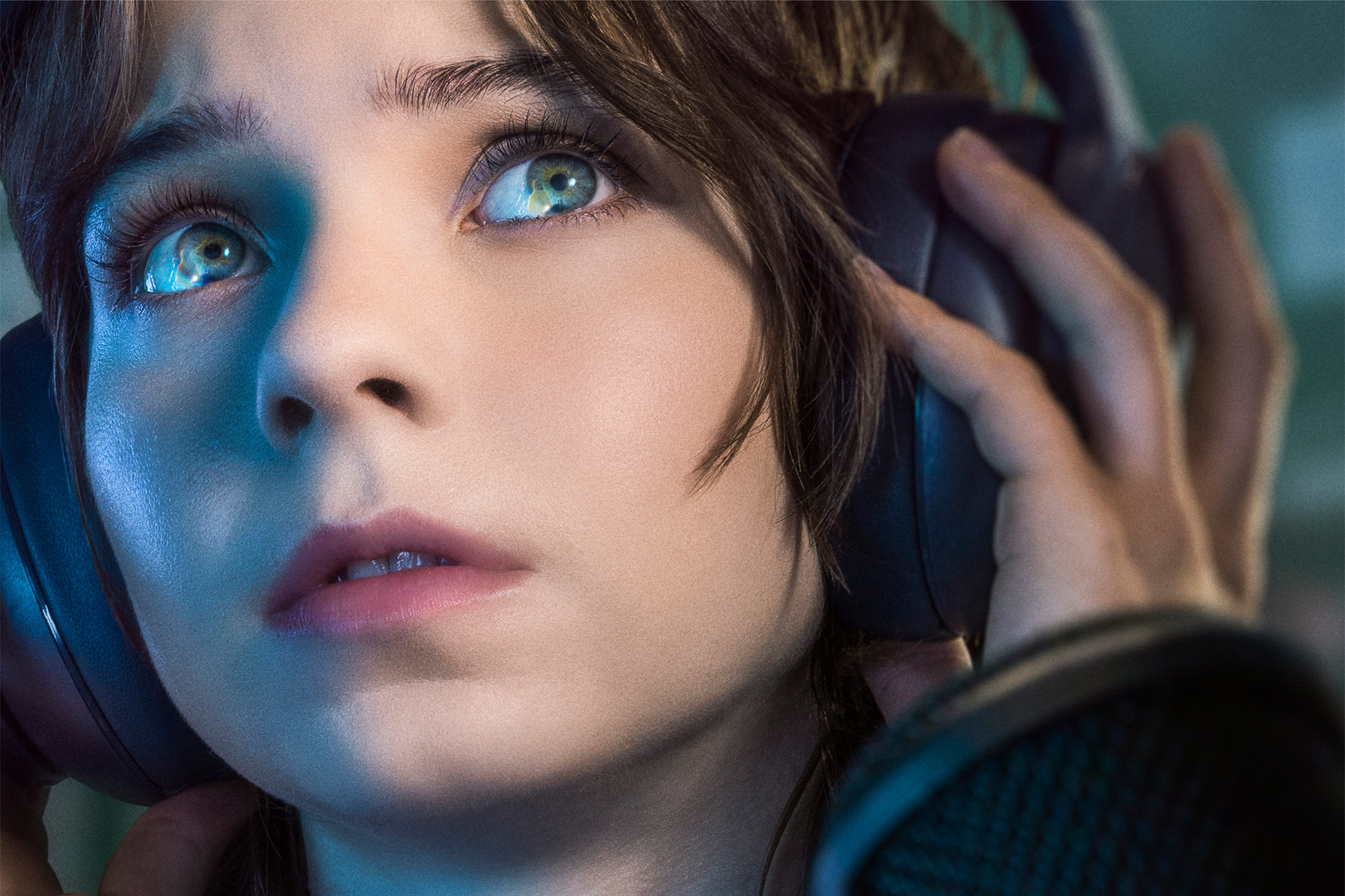


(Surprise! A second article this week! I couldn’t help myself, not with something as exciting as this…)
Based on my previous references to ‘A Good Girl’s Guide to Murder‘ trilogy of novels on this blog, and my article from about two years ago reviewing the first season of BBC and Netflix’s tv show adaptation, it’s little surprise I was eagerly counting down the days to the release of the second season.
If you don’t recall, I spoke very highly of the adaptation’s first season, praising just about every aspect. I thought it was a superb television show and I highly recommend anyone who hasn’t seen it to boot up Netflix this very minute and give it a watch. I’ll wait.
But my point is, I loved the first season, and I sincerely hoped I was going to love the second season too. So it was with equal mixes of excitement and anxiousness that I got comfortable for a weekend binge of the six-episode second season just this past weekend…and was not disappointed in the slightest.
Actually, I might even like the second season more than the first!

As a refresher, A Good Girl’s Guide to Murder centers around a smart, passionate, less-than-great-around-people teen named Pippa “Pip” Fitz-Amobi. In the first season, she tackled a seemingly impossible challenge for her big school project, which was to uncover if any hidden truths remained around the death of another student, and the student blamed for the murder. Unsurprisingly, twists and turns lurked under the surface, and Pip blew the case wide open…but not without nearly losing her own life in the process.
In season two, Pip’s mystery-loving heart has not wavered, but she’s certainly not looking to dive into another mystery that will completely consume her life. Especially not when the trial of a certain scummy character looms large, occupying Pip’s thoughts and near-constant anxiety. However, rather against her will, Pip ends up taking on the challenge of a new mystery when the older brother of one of her best friends goes missing one day, and no one else seems to be taking the disappearance seriously.
Now, I actually want to address an elephant lurking in the corner of the figurative room, while also taking steps to clear the aforementioned elephant away.
See, the first season of the television show adapted the plot of the first novel in the trilogy. That makes sense, right? Logically, the second season adapts the second novel. The thing is, out of the three novels, the second one is easily my least favorite. I don’t hate it, and I wouldn’t even say I dislike it. Actually, I’d say that I do like it. It’s just also my least favorite entry in the trilogy. So, to a certain extent, I had a little bit of trepidation going into this season, hoping that I’d be able to enjoy myself despite my misgivings about the novel it is based on.
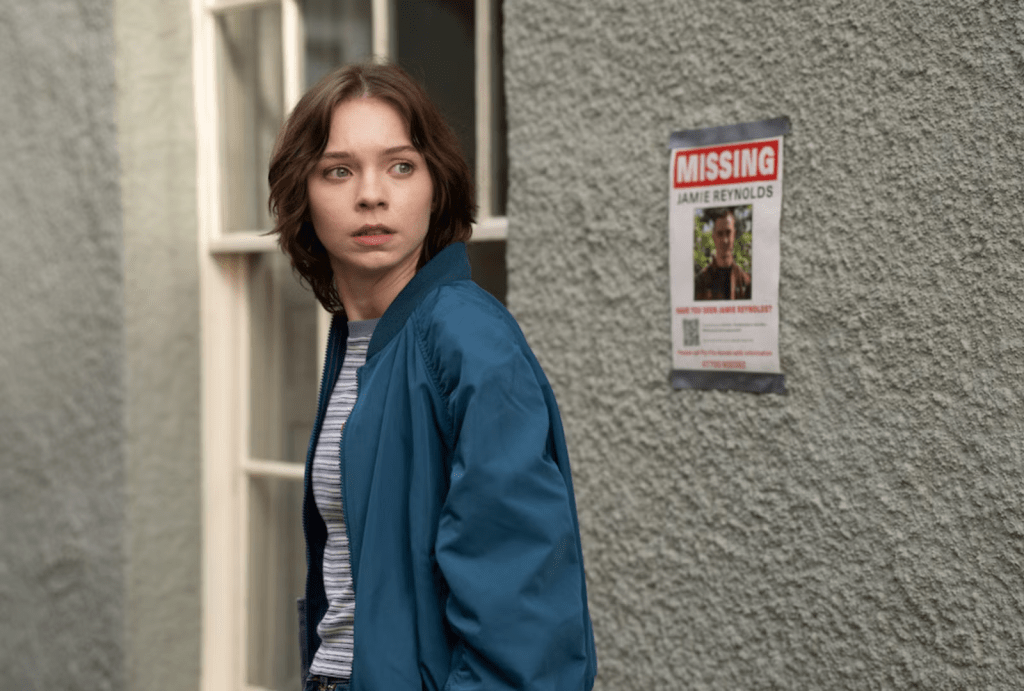
Thankfully, my concerns were all for nought!
I have two big issues with the second novel of the trilogy. Primarily, I find the central mystery to be a bit weak. Secondly, I think that a twist that happens near the end comes a little out-of-left-field and doesn’t have the setup that it should have had. The show, smartly, sidesteps both of these issues.
For the second season in a row, A Good Girl’s Guide to Murder proves to be absolutely amazing at knowing exactly what changes to make during the adaptation process to lead to a final product that is not only the best way to tell the story through the medium of television, but arguably the best way to tell the story in general.
The out-of-nowhere twist? The season pointedly (and yet also subtly) includes additional clues and references that attentive viewers will pick up on, and even less-engaged viewers will still intuitively, subconsciously grasp. It’s like one of those stage shows where a magician ‘mind tricks‘ somebody, but it was really just clever manipulation based off of little triggers that you might not have even noticed in the moment.
And the central mystery being a bit lackluster? Admittedly, it still is. However, to compensate, the season fleshes out some elements from the book that would only ever hinted at or briefly shown, turning them into compelling B-plots that help to keep the viewer engaged, filling the show’s runtime requirements without needing to double-down on a weak central mystery that could’ve dragged had it been made the sole focus of the storytelling.
There’s a lot of brand-new scenes too, building off of this show’s willingness to not shy away from diverting from the source material in ways that truly elevate the story and characters, not detract from them. There’s a very touching scene of two characters reconciling during a prison visit, a notable side character gets a bit of a redemption they lacked in the novels, and another tense confrontation between two characters who probably should’ve had that clash in the novels but never did.
There is even a character created exclusively for the show (though, to be completely candid, they also somewhat are meant to replace another minor character who doesn’t appear). Regardless, my point is that this original character fits naturally into the storyline and ingratiates into relationships with the other members of the supporting cast in a way that feels like they must have always been there in the source material. They are a solid addition to the show’s roster.
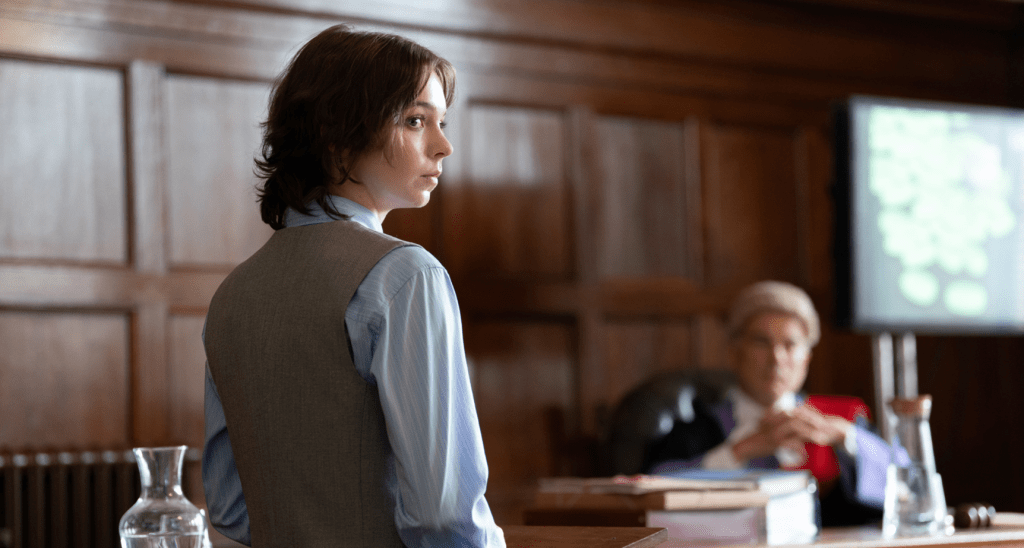
Before I devolve into nothing but abject praise towards this show for the rest of the article, I’ll address the very few criticisms I have. It boils down to two points.
The first is the middling mystery, as I’ve now talked about a few times. I don’t mean to imply that it’s terrible, just that it isn’t anywhere near as gripping as the first season’s mystery. And, admittedly, that’s sort of the point, and the show’s plot and themes lean into that with how Pip feels like she’s the only person taking it seriously and the rest of her community isn’t trying to help. But there are a few moments where the plot is just a bit lax, though thankfully the other elements of the show help to uplift these slower parts.
My second critique centers around a few of the characters feeling like they could have used one or two more scenes to really flesh-out their arcs. No one necessarily feels shortchanged or anything, but one or two noteworthy figures could have used another scene here or there to help the audience connect with them and get to know them a bit more. The show has pretty tight pacing, so I’m not sure where those scenes could have been fit in, but I’m sure it could have worked out.
Still, these are very minor quibbles towards a show that I otherwise adore to an immense degree.
Because I can’t keep putting it off anymore, let’s go ahead and talk about Emma Myers and her role as Pip.
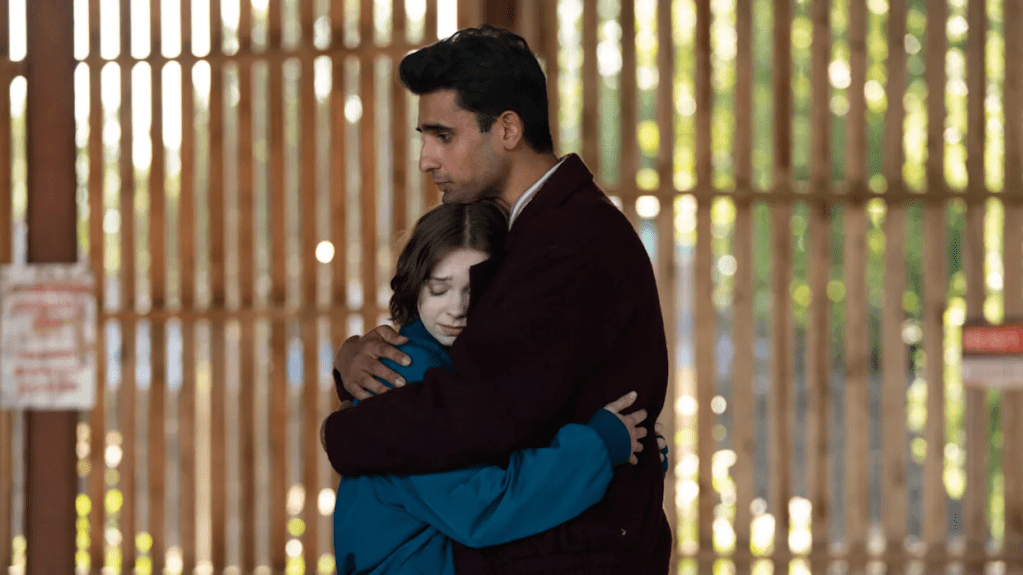
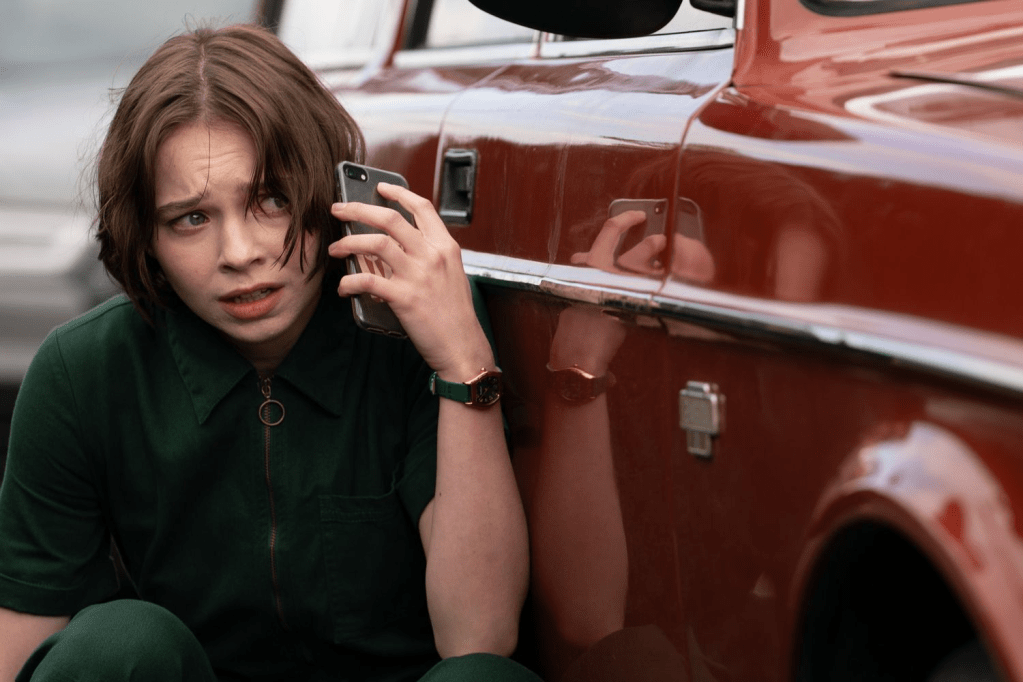
I praised her in my review of the first season, and I have nothing but glowing things to say here. She’s absolutely incredible. It’s a truly stunning performance, especially in the moments where she’s angry, upset, passionate, or vulnerable. You almost don’t want to blink. The level of care she brings to the role is reason alone to watch this show. Whether she’s being a mystery-loving dork, a determined friend, or a lonely teen girl fighting valiantly to hold herself up under the weight of incredible pressure, Emma Myers is unstoppable as Pip.
Like, I don’t know what else to add without sounding like I’m repeating myself, but I also feel like a single paragraph alone isn’t enough to do Emma justice for her work as Pip. It really is that fantastic, especially during the final episode and the big dramatic climax. Her acting alone made me cry several times throughout the show. Yes, it helps that I love Pip the character a ton (she ranked #2 in my list of favorite literary protagonists ever). But my love for Pip has only multiplied since Emma took on the role in this show.
I don’t want to pretend the rest of the cast isn’t stacked with great performances too, though, because it certainly is. Asha Banks plays Pip’s best friend, Cara, and she’s as fantastic as she was in the first season. Similarly, Carla Woodcock’s role as Becca Bell continues to shine as it did in the first season too. Jessica Webber as Nat Da Silva, who had only a scene or two to shine in the first season, gets some great moments here. Zain Iqbal continues to put in a great performance as Ravi, embodying this quiet sort of charisma that makes him really charming.
And, of course, I have to give a special shoutout to one of the most deliciously scummy and punchable characters in recent television history. Henry Ashton is fantastic as Max, even better than he already was in the first season. Max is given a lot more focus in this season than in the book it’s adapted from, and the story is all the better for it. Being able to really feel Max’s impact throughout this season’s plot creates a very heavy sense of stakes and tension, and Henry’s performance as him is so good at being smarmy, hateable, and also surprisingly scary when he needs to be.
Many of the other points I brought up in my review of the first season still stand. The editing and cinematography of the show are quite good, with some unique and interesting angles and transitions that give the show it’s own distinct vibe. The licensed music still hits pretty well when the needle drops do happen, and the soundtrack of original music is still quite good. I noticed it a bit less this season, but my ears still picked up on a few motifs and other fun moments with the instrumental score being used.
Now, my final praise for this season of A Good Girl’s Guide to Murder is one that I sincerely mean with all of my heart, but it also comes with a bit of a warning. Not a warning to stay away from the show, of course not. I really do think that everyone should watch this show. It’s fantastic, and the fact that it’s two seasons of six episodes that are each only forty-five minutes means that it’s an easy binge. No, my warning is more of a caution. I’ve made no secret that I love stories that are complex, emotional, and yes, dark…and this show goes to all of those places.
Basically, if you’re sitting down to watch this show thinking to yourself ‘oh boy, time for some fun mystery sleuthing’, then you are in the wrong frame of mind.
A Good Girl’s Guide to Murder does not shy away from darker thematic material, and rather those themes and moments are intrinsic to the narrative. The show, on more than one occasion, had a silly moment or joke that made me laugh. But those are outliers, blessed reprieves in an ocean tinged much more with tragedy than anything else. It ties into the season’s central themes and character arcs too, so it’s not just dark for the sake of being edgy or something. This show confronts these heavy themes with maturity and respect…but it does confront them.
There are a lot of vulnerable moments. There are a lot of emotional moments. If you tallied it up, there are probably more moments of soul-crushing sadness than happiness, especially with regards to what Pip has to endure. And especially with regards to the season’s ending. It’s not some sort of ‘and then everybody died‘ affair, but it isn’t sunshine and rainbows either. I mean, this is the middle entry in a trilogy, and we all know how The Empire Strikes Back established the formula for how middle entries end…
What I’m really trying to say is that this is a show you want to go into with the right mindset. It’s not a cozy little mystery, or something you put on for just shy of an hour and then go on with your day. It’s the sort of show that sticks with you, and I love it all the more for it. I’m still vividly thinking about some of the plot scenes, character moments, and acting beats from the final fifteen minutes, and it’s been a whole week since I watched the episode!
To sum up…please go and watch A Good Girl’s Guide to Murder as soon as you can. It’s fantastic.
10/10
But hey, that’s just my opinion!

