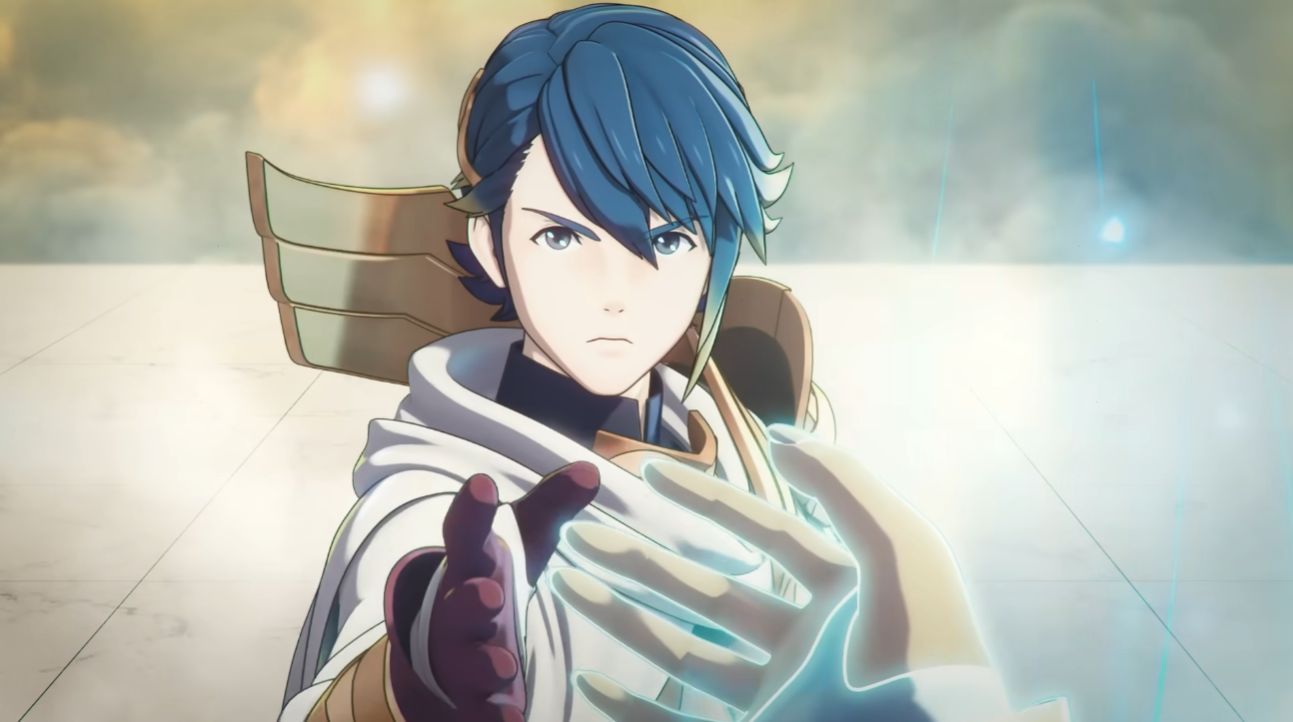


I love Fire Emblem, and I love talking about Fire Emblem. I also especially love Fire Emblem Heroes, the mobile game that I just haven’t been able to escape from since the day it launched back in 2017 (granted, it’s not exactly like I’ve been trying to get away either, I’m a huge fan of the game).
While it is undoubtable that Fire Emblem Heroes places more emphasis on the gameplay than the story compared to the mainline entries in the series, the game does still have a pretty beefy story. Every year, the game enters a new ‘Book‘, which is essentially the story arc that players will follow for the rest of that year. New allies, new villains, new big plot moments, but a consistent through thread of development for our core characters, and a few details about the larger lore and worldbuilding growing in the background of each distinct Book.
And it’s that ‘distinct‘ part of my last sentence that I want to hone-in on. Because each Book takes us somewhere brand new, they all end up being quite different from one another. I thought it could be really fun to rank all of the Books from my least favorite to my most favorite, and talk a bit about each one. Plus, I’ll also link to each book’s animated opening, because the trailers are super cool and very visually fun to watch (and short, too).
Let’s get into things!
9) Book One ~ OPENING
If you follow online discourse around Fire Emblem Heroes, there’s a common refrain about how the game doesn’t have good writing. I broadly disagree with this statement, and think that the game’s writing ranges from ‘passable‘ to ‘quite good‘. However, I am definitely willing to give Book One some smack, because it really isn’t that great. The game as a whole deserves a bit of grace for still trying to find its footing and establish its key identity. Book One, though? Yeah, it isn’t great. It’s bland, the twists (if you can call them that) are predictable, and the whole thing just kinda ambles along aimlessly. It sets up some cool stuff for the future, but that payoff certainly doesn’t happen here.

8) Book Nine ~ OPENING
This is the most recent (fully completed) Book, and while I don’t think it was bad (and it’s a fair bit better than the previous entry on our list), it didn’t really do anything standout either. The central antagonists, Baldr, Hodr, Vali, and Heimdallr are all pretty cool. Baldr, in particular, is a ton of fun, since she spends so much of the story completely invincible, and that leads to her gaining a ton of arrogance that comes back to blow up in her face once she’s suddenly mortal again. It’s also fun to have the perennial trickster, Loki, actually working as your ally. It just doesn’t really have a plot, and is just a sequence of things happening.

7) Book Two ~ OPENING
Even though it was only the second Book, Book Two represented a huge step up in quality for Fire Emblem Heroes‘ main story. Most of this had to do with the strength of this book’s villains (a common theme throughout all of this game, actually), and how the stakes are raised. Laegjarn and Laevatein are a very entertaining duo that get an unexpected amount of screentime together, almost serving as the B-plot focus for a while. Precocious Ylgr managing to convert her captor, Helbindi, into being a good guy is both cute and tearjerking. And big baddie Surtr is so unapologetically and comically evil that it loops from being silly back to being darkly threatening.

6) Book Three ~ OPENING
I think if you asked a lot of people online what their favorite Book was, they would point to this one. Clearly, I don’t like it quite as much as those people, but I do enjoy it. The thing is, the single best thing about this book is also the worst thing about it. While the story arc positions itself as a battle against the queen of the undead, Hel, the story gets a bit derailed in the second hand as our protagonists do battle with a mysterious man named Lif, who is an alternate universe version of the main protagonist, Alfonse. Their back-and-forth is legitimately fantastic, and very well-written. Does it have anything to do with this Book’s opening and ending chapters? Uh, not exactly. But it’s so good that I have to still rank Book Three here.

5) Book Eight ~ OPENING
This book’s biggest downside is that it just feels a little bit scattered, but I otherwise have nothing but good things to say about it. The first few chapters deal with Alfonse being so unbelievably smart that I have nothing but props to the writers who created the story. The sequence of the protagonists making plans, so then the villains make plans, so then the protagonists make counterplans…it toes the line of being over-the-top while still being both believable and super cool to see play out. The group of antagonists in this arc work really well with the family-centered themes and focus, and the main villain’s backstory is super sad and sympathetic. Again, the plot is a bit all over the place, but it’s a fun one for sure!
4) Book Seven ~ OPENING (This opening is my favorite, at least musically)
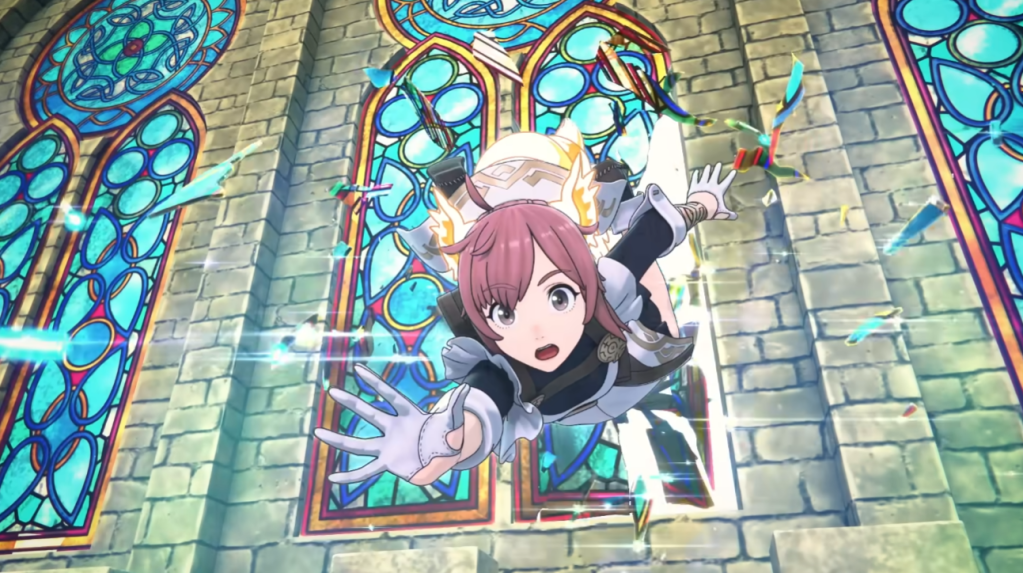
To the surprise of absolutely no one, my time-travel-loving self loves the story arc of Fire Emblem Heroes that has everything to do with time travel. I can’t help it, I’m a sucker for time travel, alternate universes, and all of those shenanigans. Because of that, I love this book a ton, even if it does theoretically have some moments that aren’t so great (chiefly, a very weak twist villain). I love how it starts with a fight against the unbeatable baddie, and then you time loop, and then you meet multiple versions of characters, and then you…yeah, it gets crazy. It’s a lot of fun! It’s also heavily focused on your player character (called ‘The Summoner‘ by title, but you can name them whatever you want), which is both unexpected and pretty exciting to witness.

3) Book Five ~ OPENING
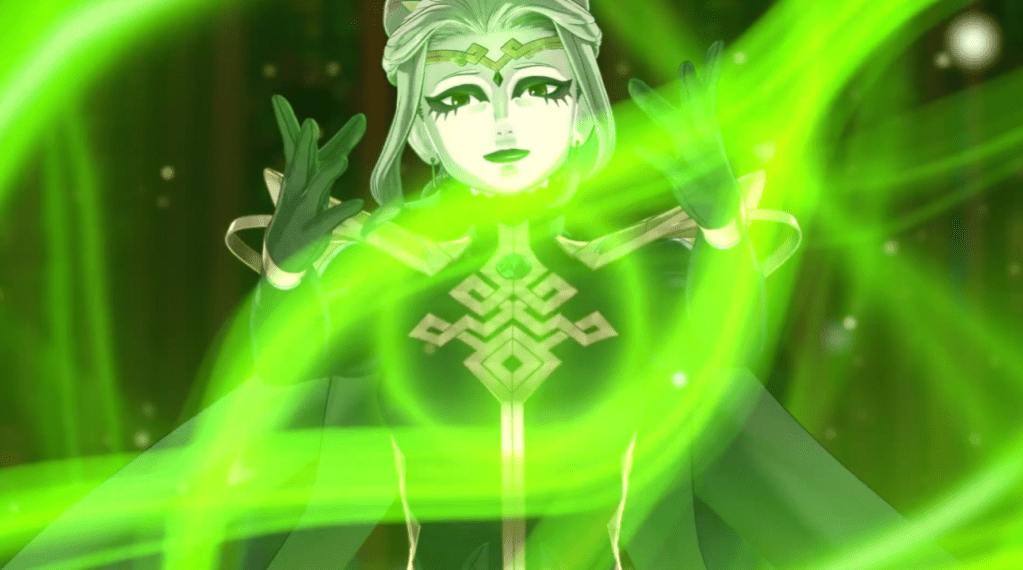
Book Five is one that, while I enjoy, I feel a bit passive towards for most of its runtime. It has a similar issue to Book Eight, in that its plot feels a little bit scattered. I like how the featured protagonist, Reginn, starts as an enemy, and I really like the twist that the evil king, Fafnir, actually comes from the real-life human world, just like the player Summoner does. However, what really puts Book Five this high on my list is the main villain, Eitri. She’s my personal favorite villain in the entire game, and she’s such a fantastic presence. Demented, brilliant, scheming, and her master plan even works by the time the story ends. What a great antagonist!

2) Book Four ~ OPENING
I’ve gone on record in this blog to talk about how I don’t really love when things get weird just for the sake of being weird, or zany, or out-of-the-blue. However, when being weird is the point, I can usually get onboard with it. Book Four thrives off of this, taking place within the realm of dreams. From the very start, it’s almost impossible to tell what is real and what is fiction within this story arc, and I love the unpredictable nature of each new plot beat and twist. Fake memories, multiple copies of people, hallucinations, illusions…this book has it all. Combine it with a really pretty and visually unique art style, an entertaining group of fairies as both protagonists and antagonists, and one of the game’s most memorable villains with Freyja, and you have a Book that many overlook but that I personally love.
1) Book Six ~ OPENING
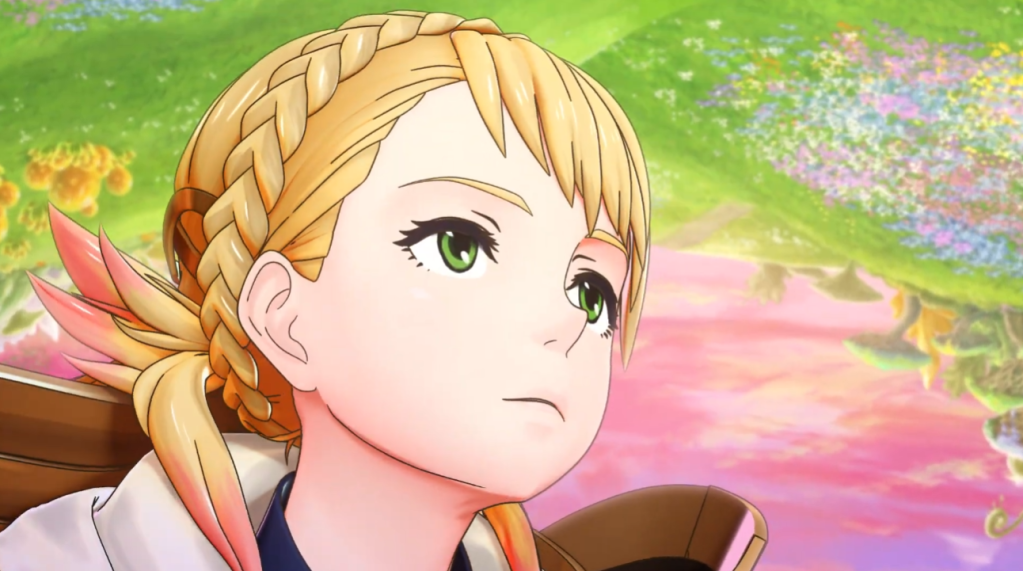
It’s a tad ironic that the Book that is, in essence, a sequel to Book One (my least favorite in the game) would be the Book to become my favorite. And yet, the creators of Fire Emblem Heroes completely knocked it out of the park with this one, managing to tick every possible box for what a story arc needs in a single neat package.
The protagonists are compelling, with the well-written Alfonse rejoining with fan-favorite redeemed villainess Veronica. The antagonists are just as good, spearheaded by Veronica’s older sister, Letizia, and the brooding goddess of closure, Embla. The writing balances well between the characters and the worldbuilding, fleshing out the mythology and lore of the world of Askr more than we’ve ever seen before. The twists are impactful. The writing can get pretty emotional, with some serious consequences and stakes occurring. And, though I haven’t been factoring it too much into my rankings thus far, the soundtrack for Book Six is sublime!
But hey, that’s just my opinion!

